
The psychology behind risk-taking in gambling behavior
The allure of risk-taking
Risk-taking in gambling is a fascinating phenomenon that combines psychological thrill with potential reward. The anticipation of winning can be exhilarating, leading individuals to engage in behaviors they might otherwise avoid in everyday life. This draws on the concept of arousal theory, where increased excitement and adrenaline boost feelings of happiness and engagement. Players often experience a rush, igniting a compelling desire to continue playing despite the inherent dangers of loss. Notably, you can explore more about this at https://lion88casino-australia.com/.

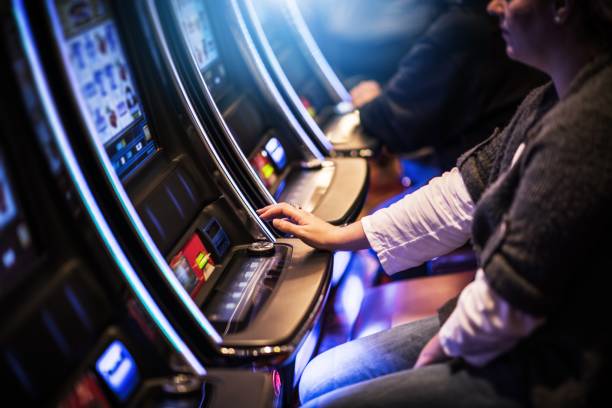
This allure can stem from various factors, including the human desire for novelty and stimulation. Gambling offers a unique escape from routine, providing not only the thrill of the game but also the social aspects of interaction with other players. These experiences become even more pronounced in environments designed to be enticing, such as brightly colored lights and captivating sounds in casinos, enhancing the overall appeal of risk-taking behavior.
Moreover, the psychological reward systems in our brains play a crucial role. Engaging in high-risk activities can trigger dopamine release, reinforcing the urge to take risks. As players experience wins, their brain rewards them with a pleasurable sensation that can overshadow the negative aspects of potential losses, further encouraging this cycle of risk-taking in gambling.
The role of cognitive biases
Cognitive biases significantly influence gambling behavior, often leading individuals to misinterpret the likelihood of winning or losing. For instance, the illusion of control bias causes players to believe they can influence outcomes in games of chance, which are inherently random. This mindset can encourage repeated gambling, as individuals become convinced that they can ‘beat the odds’ through their strategies or actions.
Understanding these cognitive biases is essential in developing responsible gambling practices. Recognizing that emotions and perceptions can distort judgment may empower players to make more informed decisions. This awareness can reduce the likelihood of engaging in high-risk behaviors driven by misconceptions, ultimately fostering a healthier relationship with gambling.
The impact of social factors
Social influences play a crucial role in shaping gambling behavior. Peer pressure can lead individuals to take risks they might avoid otherwise, as the desire for acceptance often outweighs concerns about potential losses. This is particularly pronounced in environments where gambling is normalized, such as among friends or family members who participate in betting activities together.
Cultural factors also contribute to risk-taking in gambling. In societies where gambling is celebrated, individuals may be more likely to engage in high-risk behaviors without considering the associated dangers. The thrill of gambling becomes intertwined with cultural identity, making it difficult for individuals to disengage from these behaviors, even when facing negative consequences.
Moreover, the rise of online gambling has amplified social interactions in this realm. Players can connect with others through virtual platforms, fostering a community that encourages risk-taking. Online forums and social media can reinforce gambling behaviors, with shared stories of wins and losses creating an environment where high stakes become normalized and celebrated.
The psychological effects of losses
The psychological impact of losses in gambling cannot be understated. The emotional response to losing can lead to a phenomenon known as loss aversion, where the pain of losing is significantly more intense than the pleasure of winning. This can create a cycle of compulsive behavior as players attempt to recover lost funds, often leading to increased risk-taking to chase their losses.
Another consequence of experiencing significant losses is the development of a negative self-image. Individuals may internalize their failures, leading to feelings of shame or inadequacy. This can perpetuate a destructive cycle where they gamble more to escape these feelings, even though this behavior can worsen their situation. The need to recover losses can overshadow rational decision-making, driving individuals further into riskier gambling scenarios.
Addressing these psychological effects is crucial for fostering responsible gambling behaviors. Understanding the emotional toll that losses can take may help players take a step back and reassess their approach. Support networks and counseling services can provide valuable resources for individuals struggling with these issues, helping them to break the cycle of risk-taking fueled by the desire to recover from losses.
Gambling platforms and risk-taking behavior
Modern gambling platforms, particularly online casinos, play a significant role in shaping risk-taking behavior. With the convenience of access and a plethora of gaming options, players are often enticed to engage in riskier behavior. Promotions, such as welcome bonuses and seasonal offers, further exacerbate the situation by encouraging players to gamble more than they typically would, often without considering their financial limits.
Additionally, the design of these platforms is tailored to amplify excitement and engagement. Features like live dealer games and instant-win slots create an immersive experience that enhances the thrill of risk-taking. Coupled with the anonymity of online play, individuals may feel emboldened to take risks they might avoid in a traditional casino setting. This can lead to a higher frequency of gambling activities and an increase in overall risk-taking behavior.
However, this environment also brings challenges, as it becomes easier for individuals to develop unhealthy gambling habits. The blend of cognitive biases and psychological factors with the mechanics of online gambling platforms creates a perfect storm for increased risk-taking. Recognizing these dynamics is vital for promoting responsible gaming practices and helping players understand the importance of setting boundaries while enjoying their gambling experience.